


Celtic Cultural Minute
Thursdays, 8:00 PM during Celtic Faire
A weekly feature aired during WDIY's Celtic Faire every Thursday exploring Celtic traditions and history.
Latest Stories
-
 The capital city of Scotland is the country's second most populous city and has been given the status of a World UNESCO Heritage Site for its history, art, literature, and beauty.
 -
 The Winter Solstice marks the shortest day and the longest night, which marks the rebirth and return of the sun and the journey toward spring in the ancient Celtic year.
 -
 One of the most beloved Christmas traditions was almost lost, until it was rescued by two American women.
 -
 With winter upon us, celebrations like Yule, Christmas, and more mean gathering and decorating with living greens.
 -
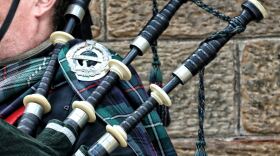 Bethlehem’s annual Celtic Classic & Highland Games fill the city with the music of bagpipes, an iconic instrument with a history even older than the Games themselves.
 -
 It’s September, and that means that Bethlehem’s Celtic Classic is only a few weeks away. Naturally, there’ll be lots of glorious music… but there’ll be dancing, as well, much of it Scottish traditional dance, in all its many forms.
 -
 Highland Games are a colorful, unique mix of sports, culture, and community. A celebration not only of all things Celtic, but especially of Scottish Highlands heritage and history.
 -
 Among the most powerful, romantic and dramatic of all the symbols of Scotland may just be the Highlanders' tartan and kilt.
 -
 The rich, magical folklore of the Celtic world is shaped in part by the landscapes of the Celtic countries. But the wild and windswept Scottish landscape, from the Highlands to the Western Isles, is home to some of the darkest and strangest creatures in any folklore.
 -
 Lughnasa is both an ancient Celtic festival marking the beginning of the harvest, and the Gaelic name for the month we call August. Ireland’s oldest fair, the raucous Puck Fair in Killorglin, County Kerry, is believed to be descended from these old Lughnasa festivals.


